
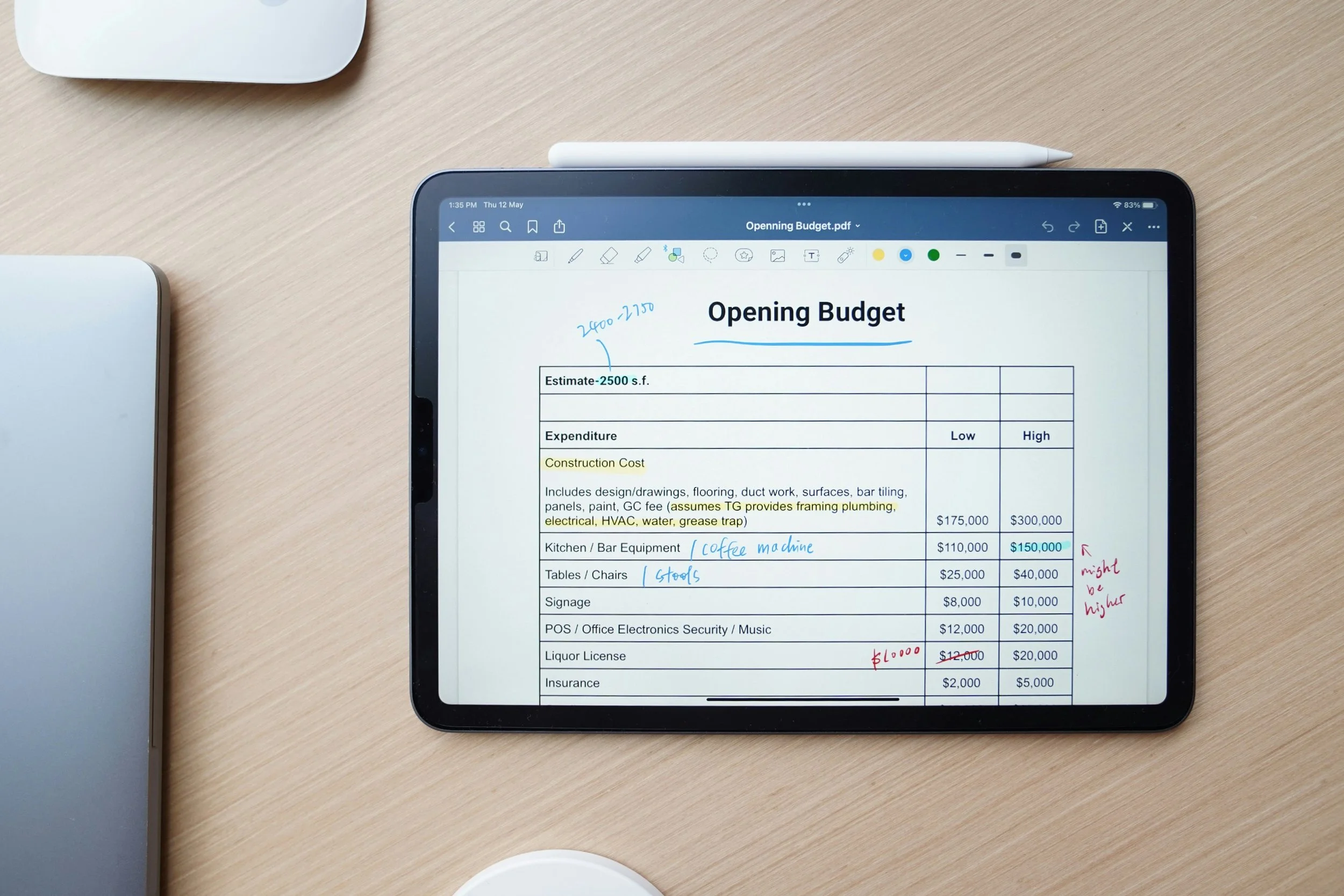
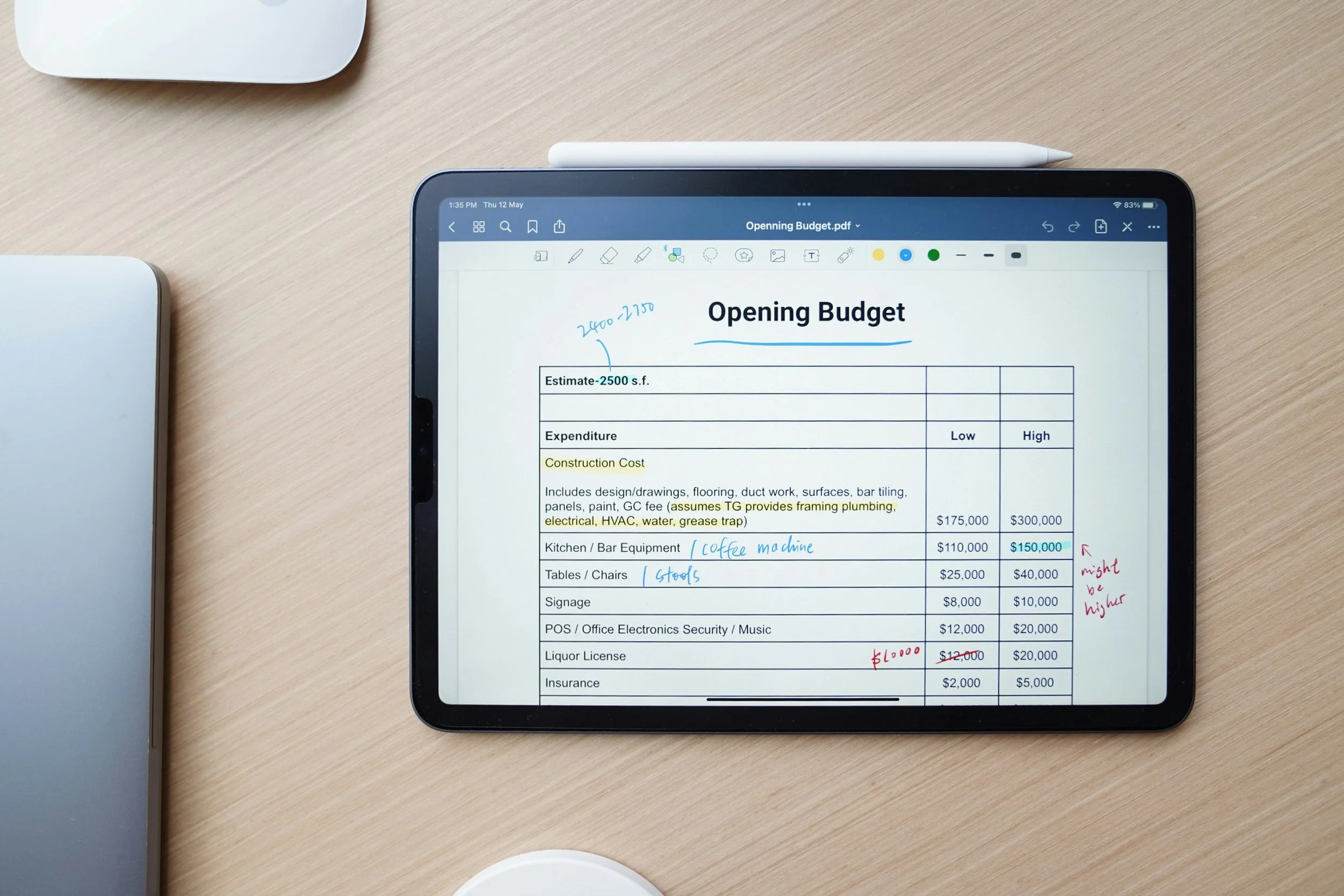
For many meeting and event professionals, one of the most challenging conversations isn’t about logistics, vendors, or timelines. It’s about budget.
You know what your event needs to succeed. You see the attendee expectations shifting, the rising costs, and the missed opportunities when corners are cut. But translating that into a compelling, business-focused case for increased investment? That’s where many teams get stuck.
If you want buy-in from the C-suite, the conversation has to evolve beyond “we need more budget” to “this is how increased investment drives organizational outcomes.”
Here’s how to make that case effectively.
1. Shift the Conversation from Cost to Investment
The fastest way to lose executive attention is to frame your request as a list of expenses.
The most effective way to gain it is to position your event as a revenue driver, brand builder, and strategic lever.
Instead of saying:
“We need to increase the budget for food and beverage, AV, and production…”
Reframe it as:
“Increasing investment in attendee experience and production quality will directly impact retention, satisfaction scores, and future registration revenue.”
Executives don’t fund line items. They fund outcomes.
2. Tie Every Dollar to a Business Objective
Your C-suite is thinking about growth, retention, brand positioning, and operational efficiency. Your job is to connect your event budget directly to those priorities.
For example:
Revenue Growth
Enhanced experiences → higher registration rates → increased ticket revenueCustomer Retention
Stronger engagement → increased loyalty → repeat attendance and renewalsBrand Equity
Elevated production and content → stronger market positioning → increased visibilityPartnership & Sponsorship Value
Improved environments and activations → higher sponsor satisfaction → increased renewals and premium pricing
If your budget increase isn’t clearly tied to one of these outcomes, it will be hard to justify.
3. Bring Data, Not Assumptions
A compelling case is grounded in data, not intuition.
Use metrics from past events such as:
Registration trends
Attendee satisfaction scores
Session engagement data
Sponsor retention rates
Revenue per attendee
Then layer in external context:
Industry benchmarks
Inflation impacts on F&B, labor, and AV
Competitive event analysis
This positions your request as informed and strategic, not reactive.
4. Show the Cost of Not Investing
One of the most overlooked strategies is clearly articulating what happens if the budget does not increase.
This is where the conversation becomes real.
Without increased investment, you may see:
Declining attendee satisfaction
Lower return attendance rates
Reduced sponsor value and renewals
Brand stagnation compared to competitors
Increased operational strain on internal teams
The C-suite needs to understand that maintaining a flat budget in a rising cost environment is effectively a budget cut.
5. Prioritize and Present Scenarios
Instead of presenting a single “all or nothing” budget increase, offer tiered scenarios.
For example:
Baseline Investment (Current Budget)
Maintains current experience with noted limitationsStrategic Investment (+10–15%)
Enhances key areas tied to attendee satisfaction and sponsor valueTransformational Investment (+20%+)
Positions the event as a flagship experience driving measurable growth
This approach gives leadership options while reinforcing that each level has a different impact.
6. Speak the Language of the C-Suite
This is where many strong proposals fall short.
Your presentation should reflect how executives think and communicate:
Focus on outcomes, not execution details
Keep messaging concise and structured
Use visuals and high-level summaries
Lead with impact, not process
Save the detailed logistics for follow-up conversations. The initial goal is alignment, not operational deep dives.
7. Position Events as Year-Round Strategy, Not One-Time Moments
Events should not be viewed as isolated line items. They are part of a larger ecosystem.
When making your case, highlight how event investment supports:
Content strategy (before and after the event)
Community building and engagement
Sales and partnership pipelines
Brand storytelling across channels
When events are positioned as ongoing strategic platforms, increased investment becomes much easier to justify.
Final Thought
Making the case for a larger event budget isn’t about asking for more. It’s about demonstrating more.
More impact.
More alignment.
More return.
When you connect your event strategy to the broader business goals of your organization, the conversation shifts from justification to opportunity.
And that’s where real buy-in happens.
If you're navigating this conversation right now, you're not alone. It’s one of the most important shifts happening in our industry.
The planners who can confidently connect budget to business outcomes are the ones leading the future of events.