
For years, the events industry has been optimizing for one thing: ease.
Faster registration. Shorter lines. Streamlined agendas. Apps that eliminate the need to ask a single question.
And on the surface, that all makes sense. We want attendees to move through an experience effortlessly.
But here’s the question more event leaders need to be asking:
If everything is seamless… what actually sticks?
Because in our pursuit of efficiency, we may have unintentionally stripped away the very moments that create connection, curiosity, and impact.
The Over-Optimization Problem
Somewhere along the way, “good event design” became synonymous with “frictionless.”
And while removing bad friction is critical (no one is advocating for long lines or confusing signage), the industry has overcorrected.
We’ve created experiences where:
Attendees passively consume instead of actively engage
Networking feels transactional instead of meaningful
Sessions are easy to attend but hard to remember
Everything flows.
Nothing disrupts.
And as a result… nothing stands out.
Not All Friction Is Bad
Let’s reframe something important:
Friction isn’t the enemy. Poor design is.
There’s a difference between:
Frustration
And intentional pause
Between:
Confusion
And curiosity
The right kind of friction is designed with purpose. It invites people to lean in instead of check out.
At its best, friction:
Slows people down just enough to be present
Encourages participation instead of observation
Creates moments people talk about long after the event ends
And ultimately, it drives the outcomes we’re all chasing…
engagement, connection, and ROI.
What Intentional Friction Looks Like in Practice
This doesn’t mean making your event harder. It means making it more meaningful.
Here’s what that can look like:
1. Structured Networking Instead of Open Mingling
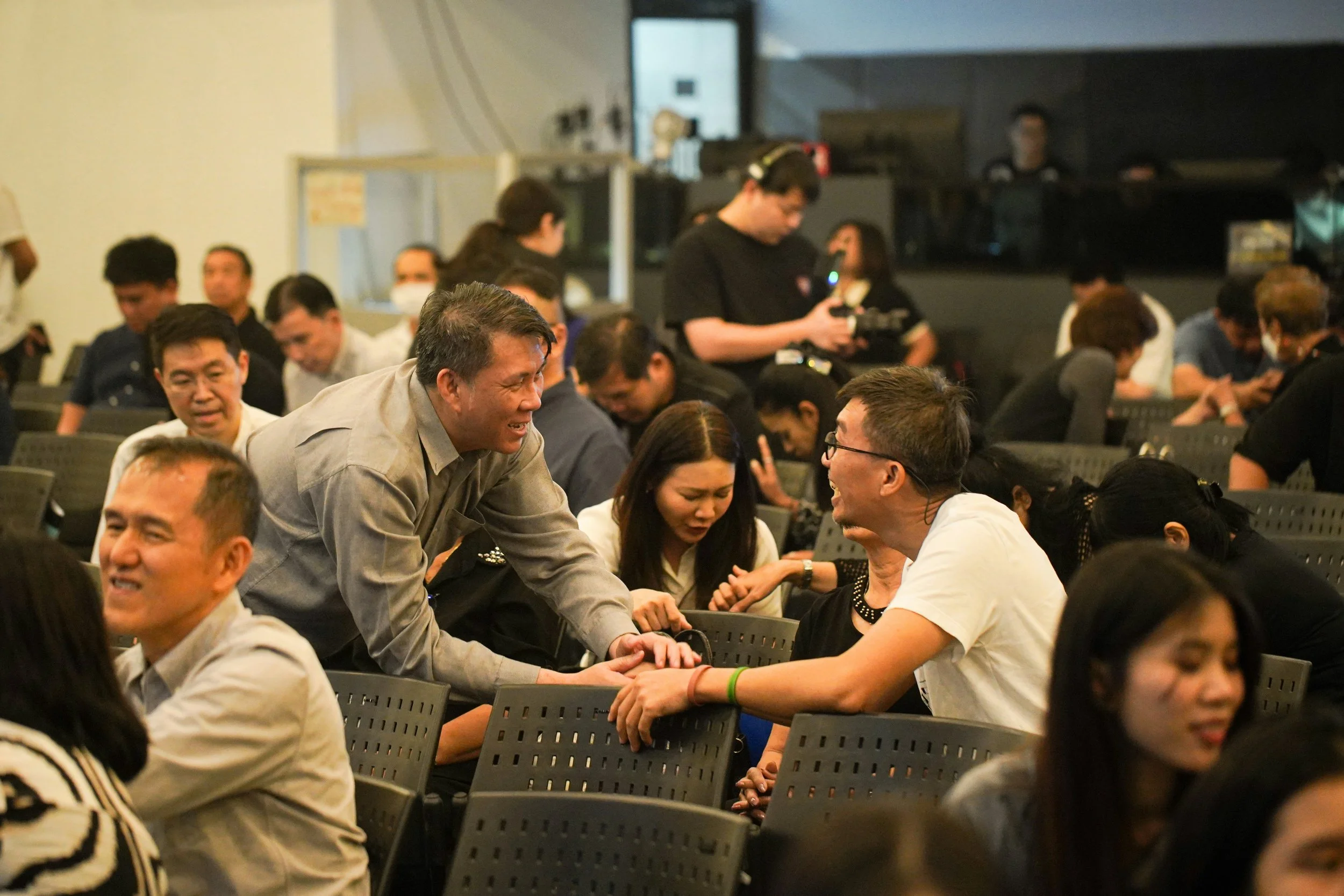
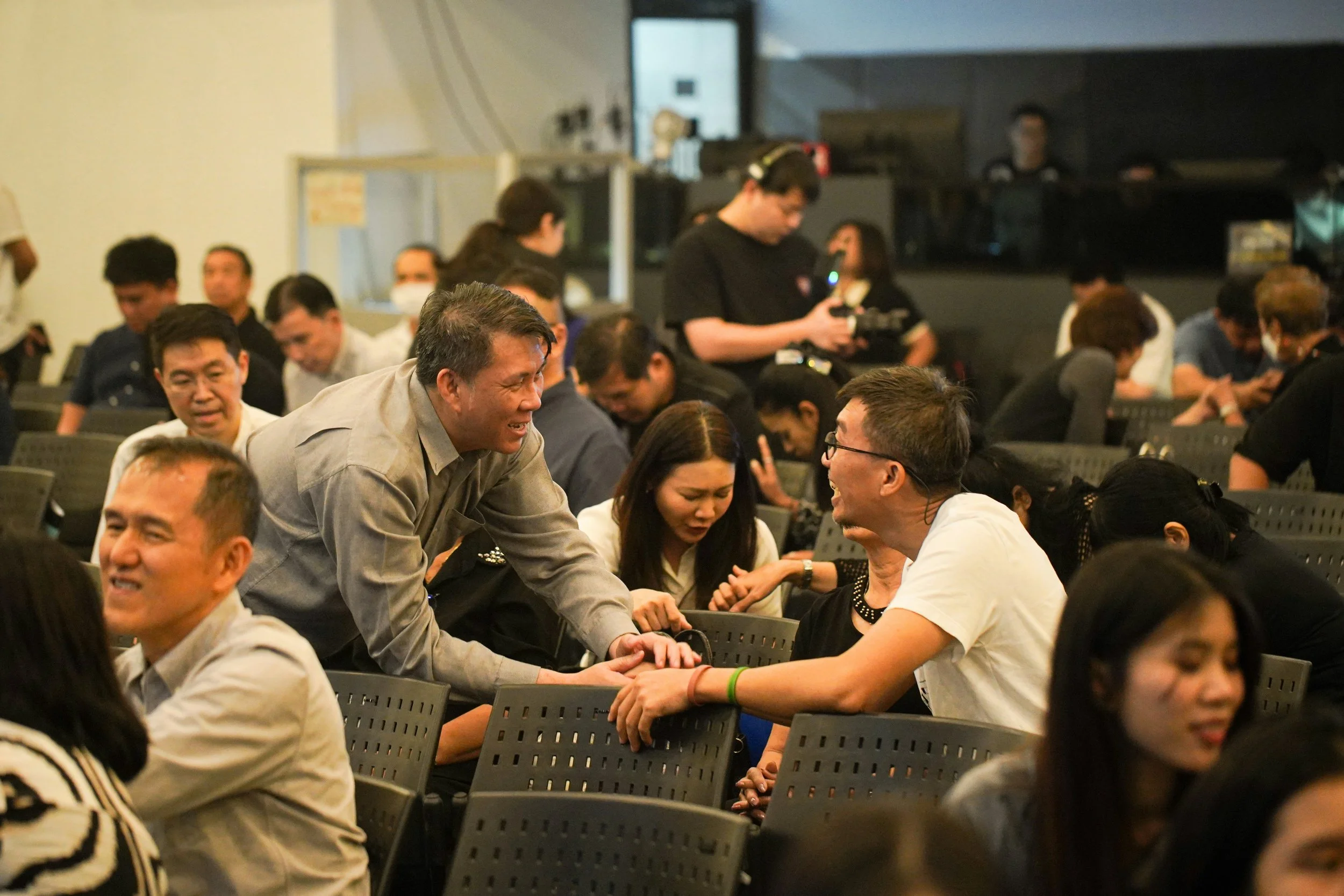
Instead of hoping people connect, give them a reason and a framework to do so. Prompts, guided conversations, or curated introductions create depth, not just volume.
2. Participation Over Passive Consumption
Design sessions that require input. Polls, roundtables, small group discussions. If attendees have to engage, they’re far more likely to remember.
3. Creating Anticipation Through Scarcity
Not everything needs to be available to everyone at all times. Limited-capacity experiences or intentional exclusivity can elevate perceived value and drive demand.
4. Purposeful Pauses in the Agenda
Not every moment needs to be programmed. Space allows for reflection, organic conversation, and unexpected connections.
5. Designing for Emotion, Not Just Efficiency
The best events aren’t the easiest to navigate. They’re the ones that make people feel something.
The Strategic Shift Event Leaders Need to Make
If you’re planning events the same way you were even two or three years ago, it’s time to rethink the approach.
Instead of asking:
“How do we make this easier?”
Start asking:
“Where are we over-automating?”
“Where could we create more intention?”
“Are we designing for convenience… or impact?”
Because the goal isn’t to remove every obstacle.
The goal is to design an experience that earns attention, invites participation, and creates lasting value.
The Bottom Line
The goal isn’t to make events harder. It’s to make them matter. And sometimes, the difference between a forgettable event and a transformative one… is a little bit of friction, placed exactly where it belongs.
Thinking About Your 2026 Event Strategy?
This is exactly the kind of work we do with our clients at Riggs & Co… helping organizations move beyond logistics and design events that drive real outcomes.
If you’re ready to rethink your event experience, let’s talk.