
When organizations begin planning an event, venue sourcing is often approached as a logistical exercise.
Does it fit the budget?
Does it have enough meeting space?
Is there a reasonable room rate?
Is it accessible from the airport?
While those questions absolutely matter, they only scratch the surface of what venue selection truly impacts.
The reality is this: the venue itself plays a major role in shaping the attendee experience long before the first keynote begins or the first networking reception starts.
A venue is not simply where an event takes place. It becomes part of the experience, part of the atmosphere, and often part of what attendees remember most.
The Venue Sets the Tone
Think about the difference between:
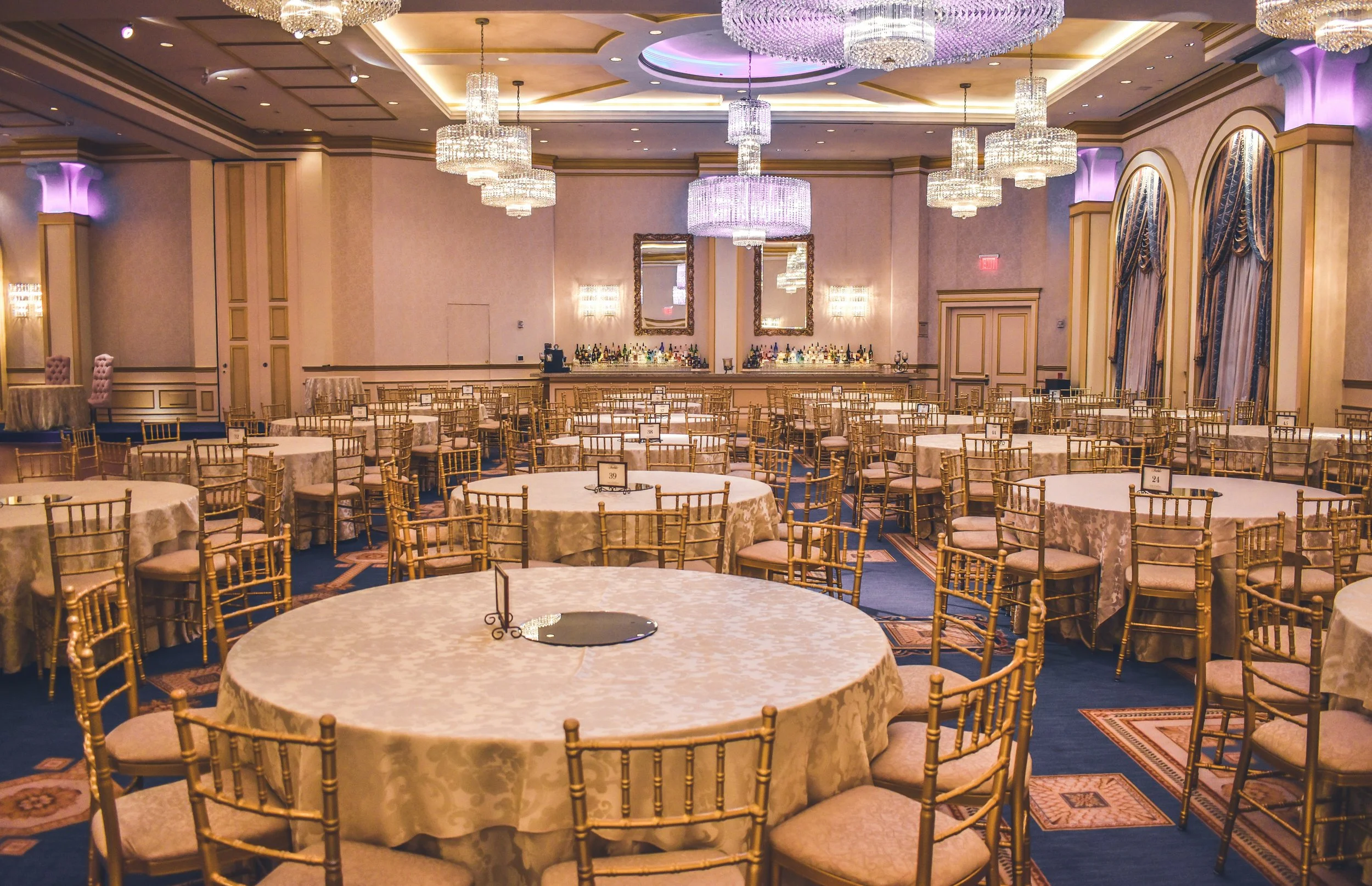
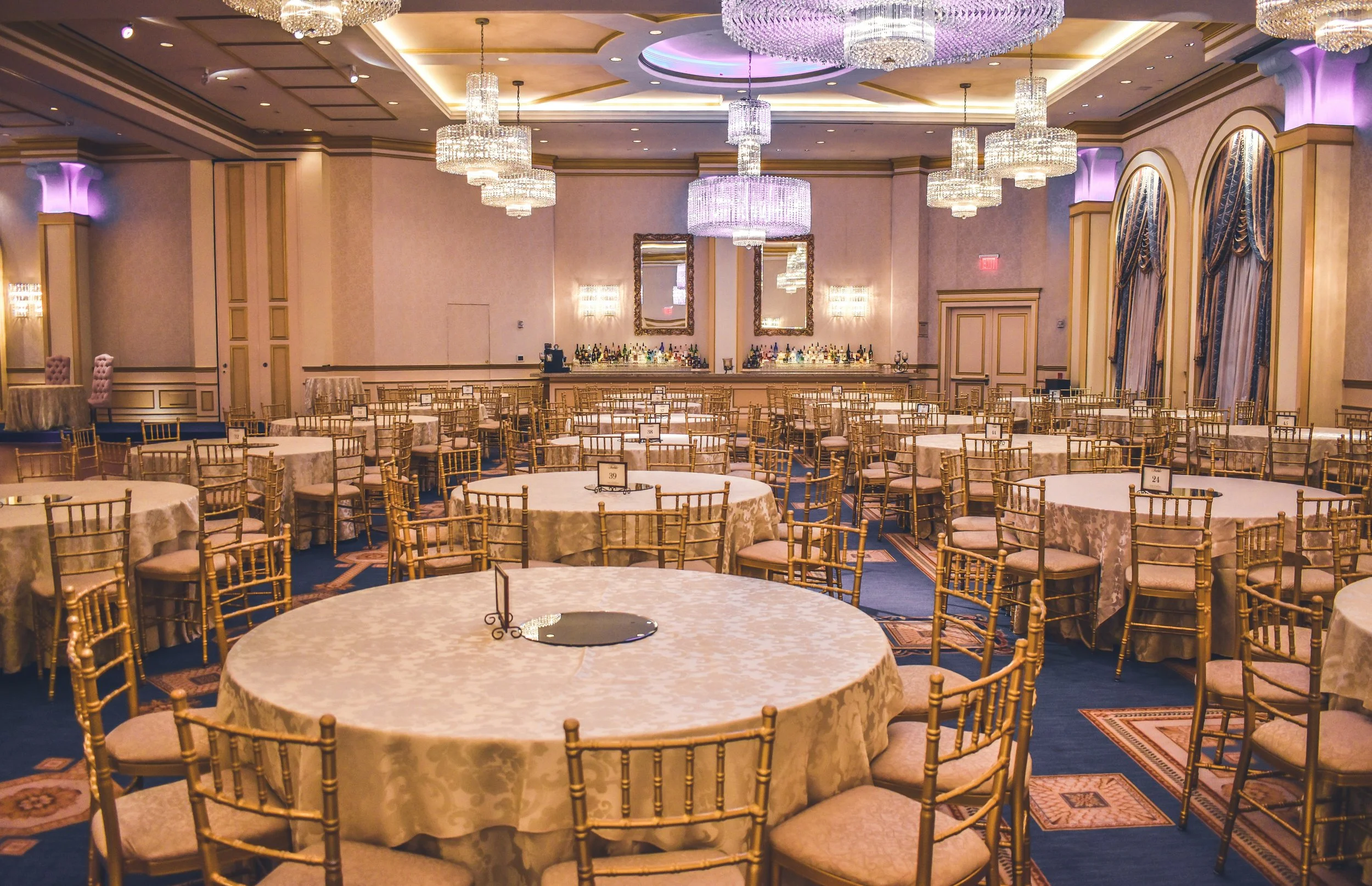
A dark, traditional ballroom hotel
A modern lifestyle property with open-air gathering spaces
A waterfront resort designed for relaxation and connection
A walkable urban property surrounded by restaurants and nightlife
Each of these environments creates a completely different energy for attendees.
The venue influences:
How people network
How comfortable attendees feel
How energized they remain throughout the program
Whether spontaneous conversations happen naturally
How attendees perceive the value of the event itself
Attendees begin forming opinions about an event the moment they arrive onsite.
The check-in experience, lighting, layout, flow of space, staff interactions, and even where attendees gather for coffee all contribute to the overall perception of the event.
Venue Selection Should Support Event Goals
One of the biggest mistakes organizations make is selecting a venue based solely on cost or availability without evaluating whether the property actually supports the goals of the event.
A venue should align with the intended attendee experience and strategic outcomes.
For example:
An innovation-focused conference may benefit from flexible, collaborative spaces and modern design.
A leadership retreat may require privacy, comfort, and opportunities for intentional connection.
A wellness-focused event may need natural light, outdoor areas, and calming environments.
A community-centered conference may prioritize accessibility, inclusivity, and spaces that encourage interaction.
The venue should reinforce the event’s purpose, not work against it.
When the environment aligns naturally with the goals of the event, attendees feel it, even if they cannot immediately explain why.
Experience Design Starts Before Programming
Event professionals spend significant time designing agendas, selecting speakers, and building engagement opportunities. But sometimes the physical environment is treated as secondary.
In reality, the environment itself is part of the experience design.
Questions organizations should ask during site selection include:
Are there natural gathering spaces for networking?
Will attendees feel crowded or disconnected?
Does the layout encourage movement and interaction?
Are food and beverage areas conducive to conversation?
Is the space intuitive and easy to navigate?
Does the venue feel aligned with the audience demographic?
These factors directly influence attendee satisfaction, engagement, and overall event success.
A beautifully designed networking reception will still struggle if attendees are placed in a space that feels awkward, cramped, or difficult to navigate.
What Event Teams Often Overlook During Site Visits
During site visits, organizations often focus heavily on square footage, guest room counts, and banquet menus while overlooking details that dramatically impact attendee experience.
Some commonly overlooked areas include:
Informal Networking Space
Some of the most valuable attendee interactions happen outside scheduled programming. Comfortable and inviting common areas matter more than many organizations realize.
Staff Culture and Service
A beautiful property cannot compensate for poor service. The responsiveness, flexibility, and attitude of the venue team can significantly impact both planners and attendees.
Accessibility Beyond Minimum Standards
True accessibility goes beyond ADA compliance. Consider mobility flow, quiet spaces, dietary inclusivity, sensory considerations, and overall attendee comfort.
Traffic Flow and Energy
Dead hallways, isolated breakout rooms, or poorly positioned registration areas can negatively affect attendee engagement and movement throughout the event.
Hidden Costs
Unexpected fees tied to internet, power, labor, food and beverage minimums, or exclusive vendors can quickly impact both budget and attendee experience.
The Best Venues Become Part of the Story
Most attendees may not remember every breakout session they attended years later. But they often remember how an event made them feel.
They remember the energy of the spaces.
The conversations that happened naturally.
The rooftop reception overlooking the city skyline.
The ease of navigating the event.
The atmosphere that encouraged connection and community.
The strongest event experiences happen when strategy, programming, and environment work together seamlessly.
The best venues do not simply host events. They actively contribute to the success of them.
As organizations continue prioritizing attendee engagement, community building, and meaningful experiences, venue selection can no longer be viewed as just a logistical decision. It is a strategic one.
Because in today’s events industry, the space itself is part of the experience.