

In today’s environment, events are no longer just gatherings. They are strategic investments. Whether you are planning an annual conference, leadership retreat, trade show, or fundraising gala, success requires more than creativity. It requires structure, clarity, and systems.
The difference between reactive planning and strategic execution often comes down to one thing: having the right templates at the right time.
This is your guide to building the perfect event playbook.
1. The Foundation Stage: Strategy Before Logistics
4
Before contracts are signed or themes are chosen, strategic alignment must happen.
Key Templates You Need:
Event Vision & Purpose Worksheet
Clarifies why the event exists and what success truly looks like.
Stakeholder Alignment Matrix
Identifies internal leaders, sponsors, exhibitors, attendees, and defines their expectations and outcomes.
Event ROI Forecast Template
Projects revenue, sponsorship targets, expense assumptions, and measurable impact.
Audience Persona Profile
Defines attendee segments, pain points, and desired takeaways.
Without these foundational documents, planners risk building beautiful experiences that do not move the organizational needle.
2. The Planning Stage: Turning Vision into Action
4
This is where ideas meet execution. Organization and documentation become your greatest assets.
Essential Templates for This Phase:
Master Planning Timeline (12–18 Months Out)
Maps deadlines for venue sourcing, marketing launches, sponsorship sales, speaker confirmations, and production milestones.
Comprehensive Budget Tracker
Tracks fixed versus variable costs, revenue streams, contingency funds, and actuals against projections.
Hotel & Venue Contract Checklist
Ensures key clauses are addressed, including attrition, room block reduction, concessions, rebates, and force majeure language.
Sponsor & Exhibitor Prospectus Template
Outlines tiered opportunities, a la carte add-ons, deliverables, and ROI metrics.
Run of Show & Production Schedule
Aligns staff, volunteers, AV teams, and venue partners minute by minute.
Templates at this stage reduce overwhelm and prevent expensive last-minute surprises.
3. The Marketing & Registration Stage: Driving Attendance and Revenue
4
Even the most well-designed event fails without strong promotion and seamless registration.
Must-Have Templates:
Integrated Marketing Calendar
Outlines weekly email campaigns, social media content, sponsor spotlights, and key announcements.
Email Copy Templates
Registration open, early bird deadline, speaker highlights, exhibitor announcements, final push reminders.
Registration Confirmation & Upsell Email
Confirms details while encouraging hotel booking, meal packages, and add-ons.
Sponsorship Sales Tracker
Monitors outreach, follow-ups, conversions, and revenue targets.
Strategic marketing systems increase conversion rates and protect your revenue goals.
4. The Onsite Execution Stage: Delivering Excellence
4
Onsite is where preparation meets performance.
Critical Templates Include:
Onsite Command Sheet
Emergency contacts, venue contacts, escalation plans, and decision authority matrix.
Staff & Volunteer Grid
Roles, shifts, responsibilities, and reporting structure.
Speaker Briefing Document
AV specs, presentation deadlines, arrival times, green room details.
Incident Report Form
Documents issues in real time for follow-up and risk management.
The best planners are calm onsite because their systems are strong behind the scenes.
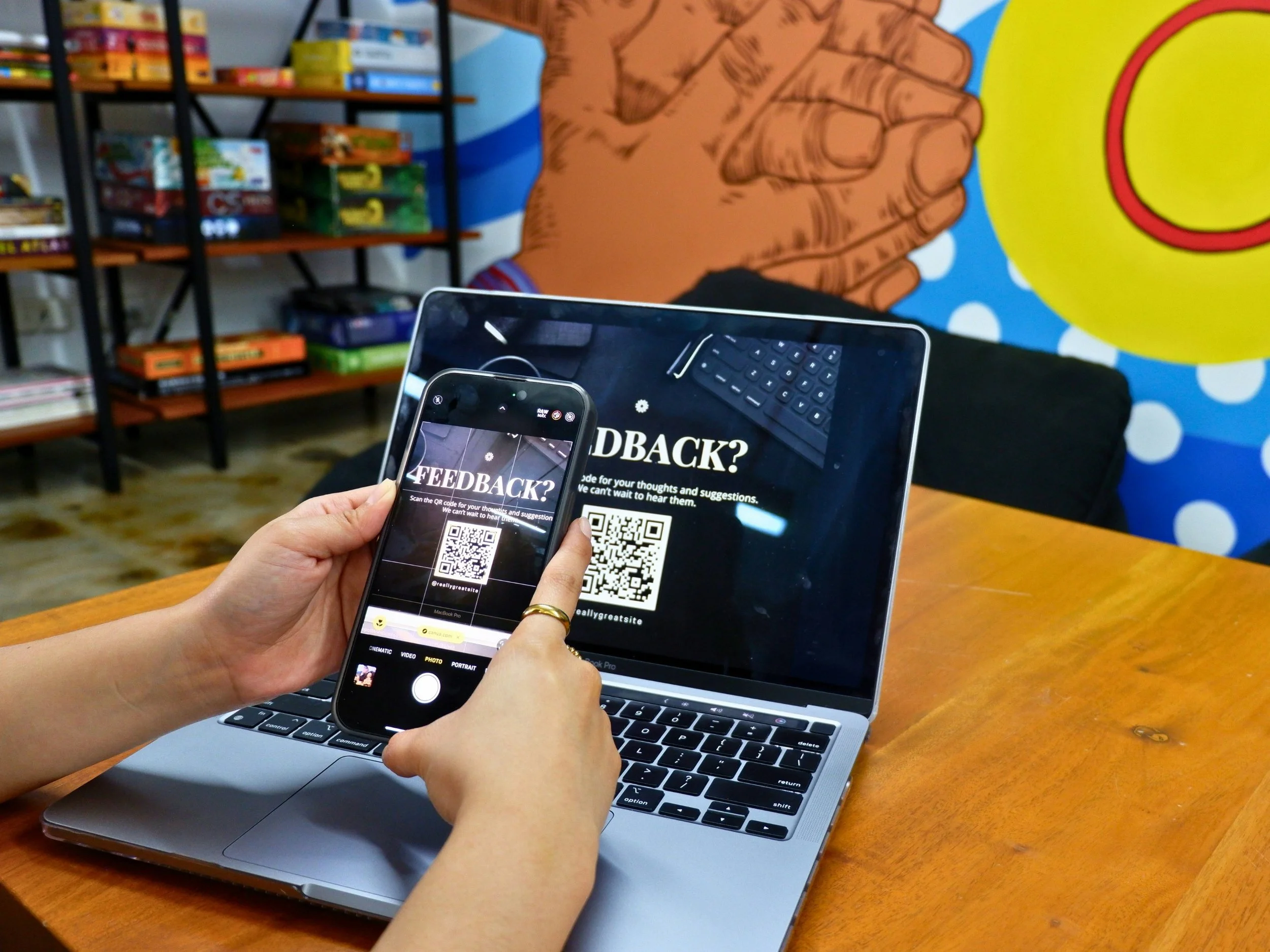
5. The Post-Event Stage: Measuring What Matters
4
The event does not end when attendees go home.
Essential Close-Out Templates:
Post-Event Survey Framework
Measures satisfaction, content relevance, logistics performance, and likelihood to return.
Sponsor ROI Report Template
Documents impressions, engagement metrics, lead scans, and brand visibility.
Financial Reconciliation Sheet
Compares projected versus actual revenue and expenses.
Post-Event Debrief Worksheet
Captures what worked, what needs improvement, and strategic shifts for next year.
This is where events transform from cost centers into long-term strategic assets.
Why Every Planner Needs a Playbook
Templates do not limit creativity. They protect it.
When systems are in place, you can focus on experience design, audience engagement, and revenue growth instead of scrambling to remember what comes next.
A well-built event playbook:
Reduces risk
Protects profit margins
Improves stakeholder confidence
Enhances attendee experience
Creates repeatable success year after year
If you are serious about elevating your events from operational to strategic, start by building your playbook.
Because strong events are not improvised.
They are engineered.