
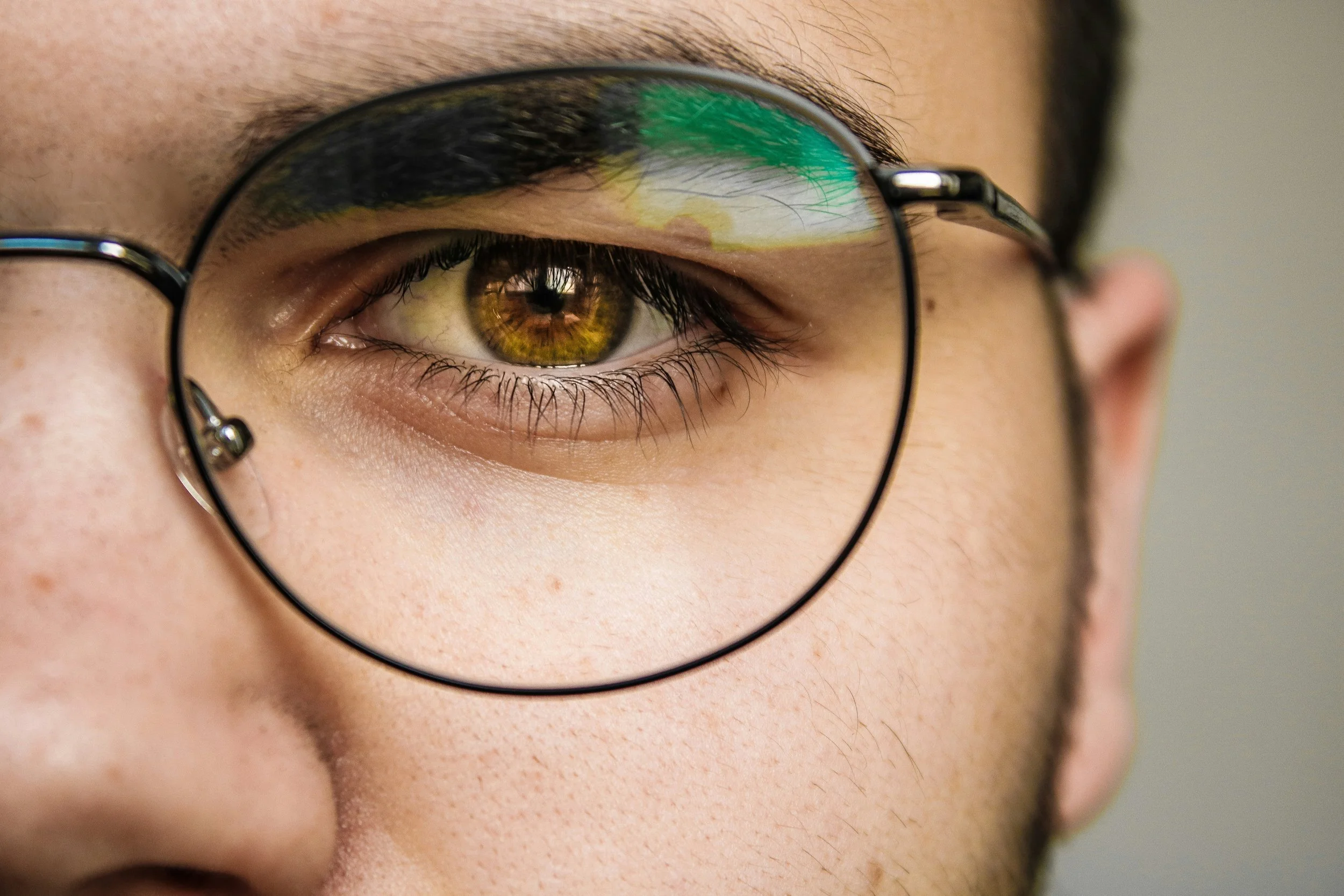
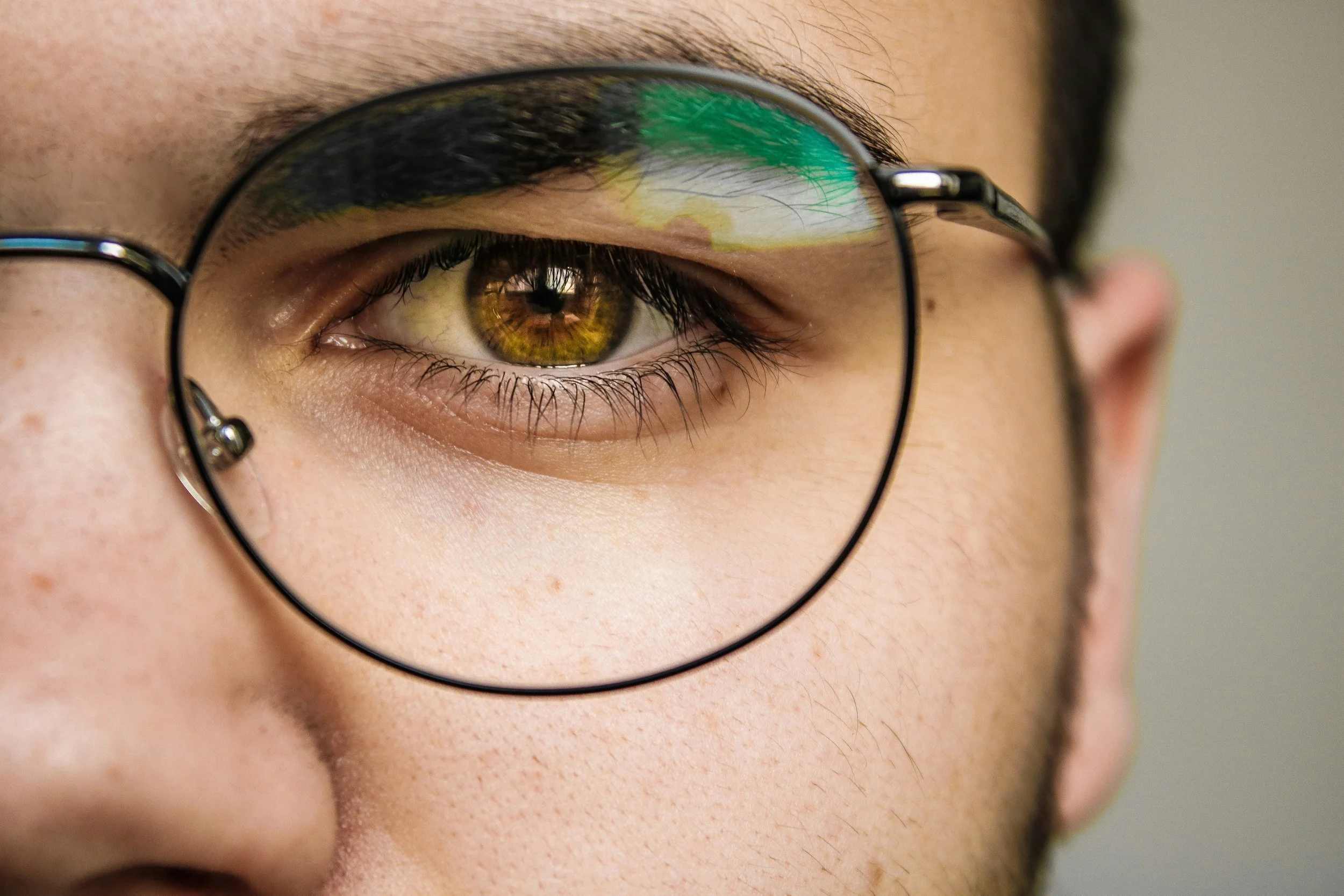
Technology has always moved faster than event policies. First it was smartphones. Then livestreaming. Then AI. Now, a pair of glasses can potentially photograph, record and interact with AI while looking remarkably similar to something an attendee might wear every day.
For meeting professionals, that creates a question we can't afford to ignore: What does privacy look like when you can no longer easily tell when someone is recording?
1. This isn't really about Meta glasses.
Meta glasses may be what sparked the current conversation, but writing a policy around one product is shortsighted. Wearable technology will continue to evolve. Instead, organizations should think about capabilities: recording, photography, livestreaming, AI capture and distribution.
2. Consent needs another look.
Many events already include language informing attendees that official photographers and videographers will be present. That's different from giving every attendee unrestricted permission to record everyone around them.
Event organizers should understand exactly what attendees are consenting to — and what they aren't.
3. Not every part of an event requires the same level of privacy.
A general session with hundreds of attendees may be treated very differently from a board meeting, peer discussion, executive roundtable or facilitated conversation where participants are expected to speak candidly.
Consider creating different expectations for different spaces.
4. Speakers and exhibitors matter, too.
Recording doesn't only affect attendee privacy. Presenters may be sharing intellectual property, research or information they don't want redistributed. Exhibitors may demonstrate unreleased products. Sponsors may have their own policies.
Your approach needs to consider every stakeholder.
5. A policy is useless if your team doesn't know how to enforce it.
Imagine a volunteer noticing someone wearing smart glasses during a confidential session.
What should they do?
If nobody knows the answer, the policy isn't finished.
Determine who can approach an attendee, what they should say, when something should be escalated and what happens if someone refuses to comply.
6. Don't wait for an incident.
This is the piece I keep coming back to.
Event professionals spend enormous amounts of time preparing for things that might happen — weather, medical emergencies, speaker cancellations, technology failures and security issues.
Privacy and wearable technology deserve a place on that list.
The goal isn't to become anti-technology. It's to create environments where people understand the expectations and can participate with confidence.
The question isn't simply, "Should Meta glasses be banned?"
The better questions are:
What level of privacy have we promised our attendees? What technology could compromise it? And have we actually created policies capable of protecting it?
That's a much bigger conversation — and one event professionals should be having now.