
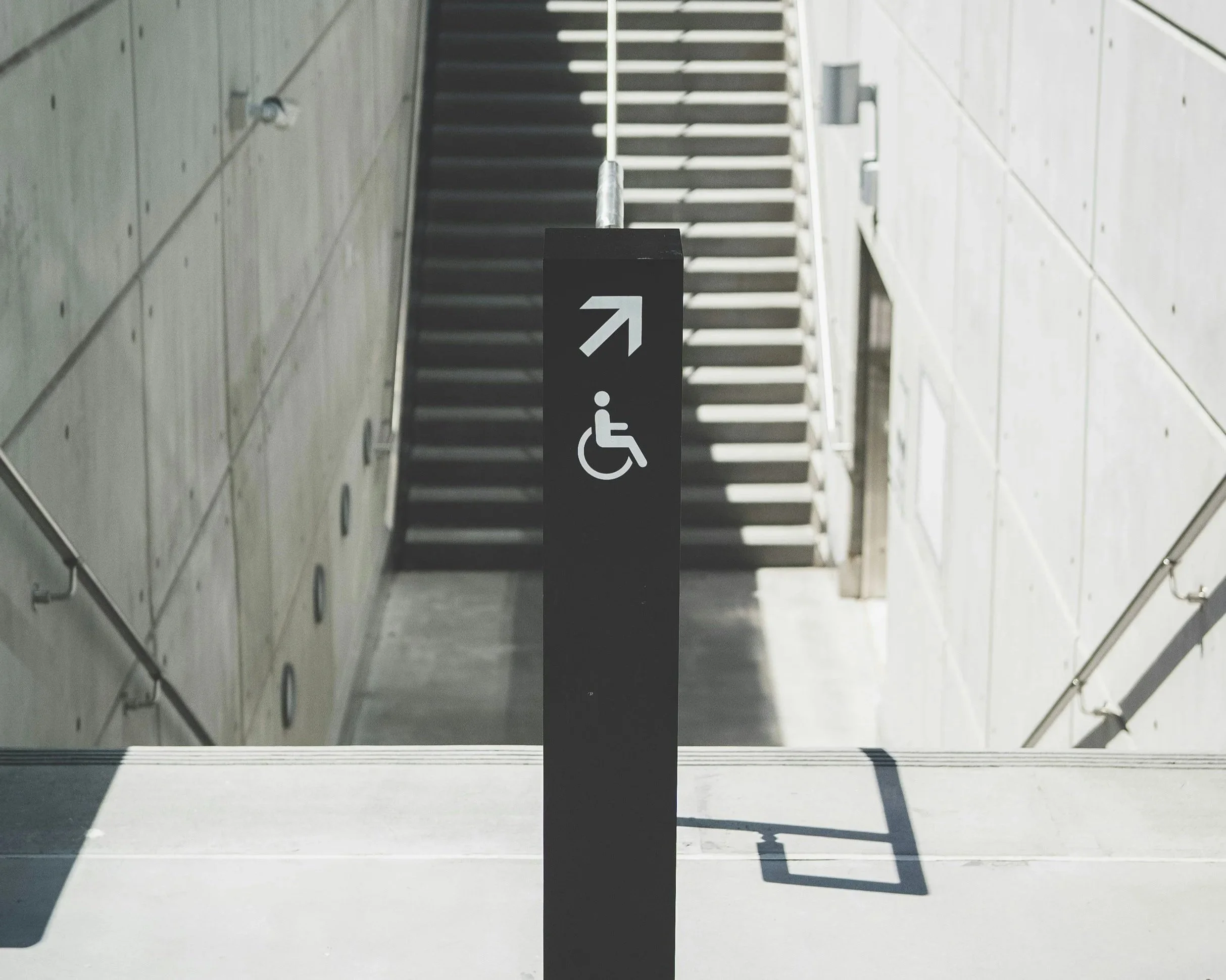
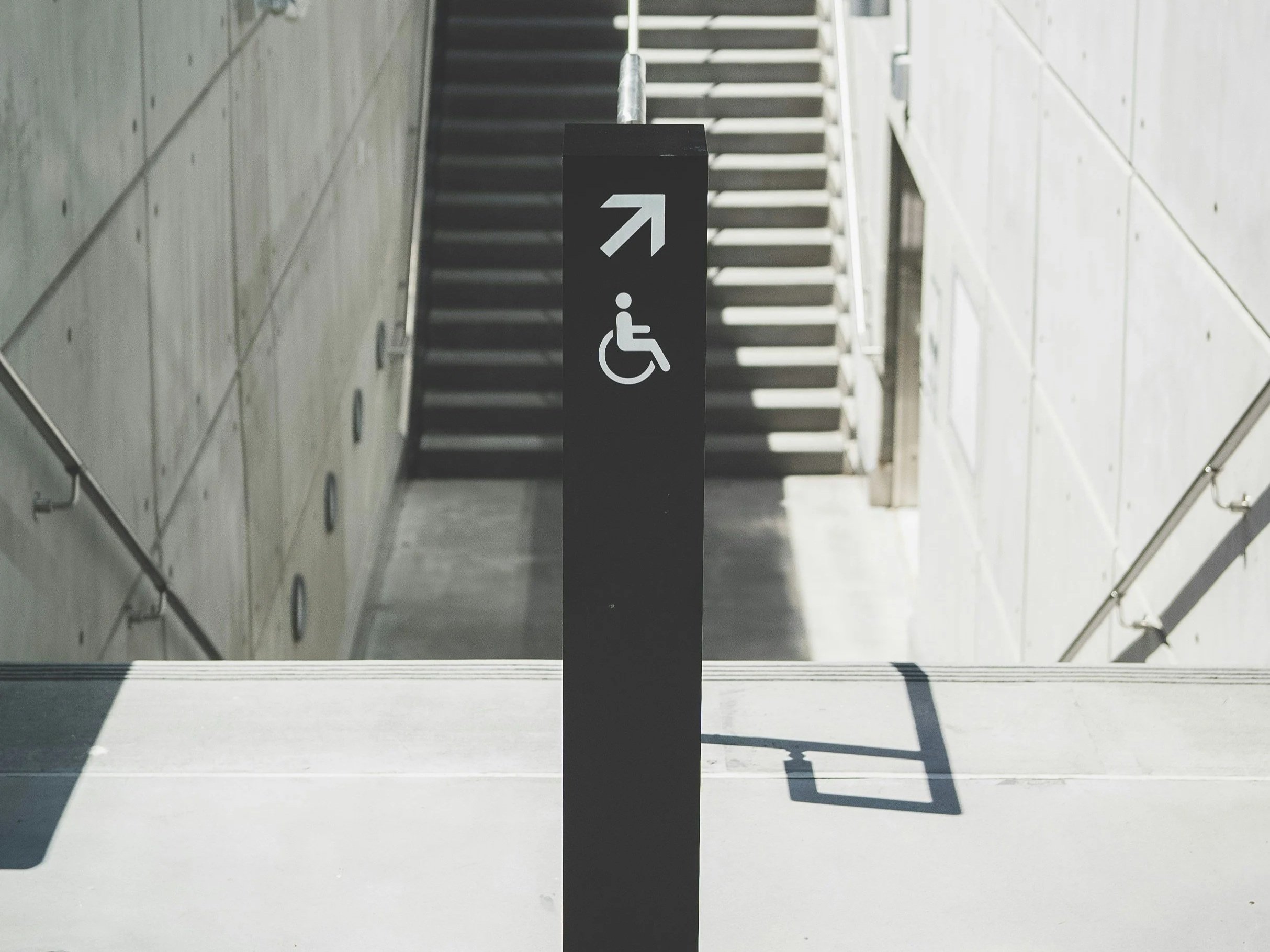
When we talk about event accessibility, the conversation often starts and ends with ADA compliance. Ramps, elevators, accessible restrooms, and designated seating are essential, but they are also the bare minimum.
True accessibility goes beyond checking regulatory boxes. It is about designing events that welcome people of all abilities, identities, learning styles, and lived experiences from the very beginning, not retrofitting solutions after challenges arise.
When accessibility is treated as a strategic priority rather than a compliance requirement, events become more inclusive, more engaging, and ultimately more successful.
Why Accessibility Matters More Than Ever
Today’s audiences are more diverse, more vocal, and more aware of their needs than ever before. Attendees expect experiences that acknowledge differences in mobility, vision, hearing, cognition, neurodiversity, health conditions, language, and even socioeconomic access.
From a business standpoint, accessibility directly impacts:
Attendance and retention
Attendee satisfaction and engagement
Brand reputation and trust
Risk mitigation and crisis prevention
When people feel excluded or overlooked, they disengage. When they feel seen, supported, and respected, they return and advocate for your event.
Accessibility Starts at the Planning Table
One of the most common mistakes planners make is addressing accessibility too late in the process. True inclusion starts during strategy and design, not during onsite troubleshooting.
Ask these questions early:
Who might be excluded by our current format?
What barriers could exist physically, digitally, socially, or financially?
How can we design flexibility into the experience?
Accessibility should be woven into site selection, budgeting, registration, programming, marketing, and technology decisions.
Physical Accessibility Is Only One Piece
Physical access is critical, but it is only one layer of the accessibility conversation.
Consider:
Clear signage with large, high-contrast fonts
Adequate lighting and sound quality
Seating options that allow movement and choice
Quiet spaces for rest, sensory breaks, or prayer
Wide aisles and uncluttered layouts
These elements benefit not only attendees with disabilities but also older adults, pregnant attendees, individuals with injuries, and those managing fatigue or sensory overload.
Digital and Communication Accessibility
Many accessibility barriers show up long before attendees arrive onsite.
Digital accessibility includes:
Screen-reader friendly websites and registration platforms
Alt text for images in emails and mobile apps
Captioned videos and live captioning for sessions
Accessible presentation slides with readable fonts and color contrast
Clear communication matters too. Avoid jargon, explain expectations, and provide information in multiple formats. When attendees know what to expect, anxiety decreases and participation increases.
Inclusive Programming and Experience Design
Accessibility also extends to how content is delivered and how people are invited to engage.
Inclusive programming considers:
Multiple learning styles, including visual, auditory, and interactive formats
Breaks between sessions to reduce fatigue
Hybrid or recorded options for those unable to attend live
Speaker guidance on accessible presentation practices
Even networking design matters. Structured networking options, facilitated introductions, and varied social formats help attendees who may struggle with traditional open-networking environments.
Train Your Team and Empower Your Volunteers
Even the best-designed accessibility plan can fail if staff and volunteers are not prepared.
Your team should know:
Where accessible routes, seating, and services are located
How to respond respectfully to accessibility requests
Who to escalate issues to if challenges arise
Accessibility is not just a facilities issue. It is a people issue, and preparedness makes all the difference.
Ask, Listen, and Adapt
One of the simplest and most effective accessibility strategies is asking attendees what they need.
Use registration forms, pre-event surveys, and post-event feedback to gather insights. Be clear about what accommodations are available and how to request them. Most importantly, be willing to adapt when needs emerge onsite.
Accessibility is not static. It is an ongoing practice of listening, learning, and improving.
Accessibility as a Strategic Advantage
When events prioritize accessibility beyond compliance, they send a powerful message. They demonstrate care, professionalism, and leadership.
Accessible events:
Reach broader audiences
Reduce onsite issues and complaints
Increase attendee trust and loyalty
Reflect modern values and expectations
Inclusion is no longer optional. It is a defining characteristic of well-designed, future-ready events.
Final Thought
ADA compliance is the foundation, not the finish line.
The most impactful events are those that intentionally design for inclusion, flexibility, and human experience. When accessibility is treated as a core value rather than an afterthought, everyone benefits.
And that is what truly great event design looks like.