
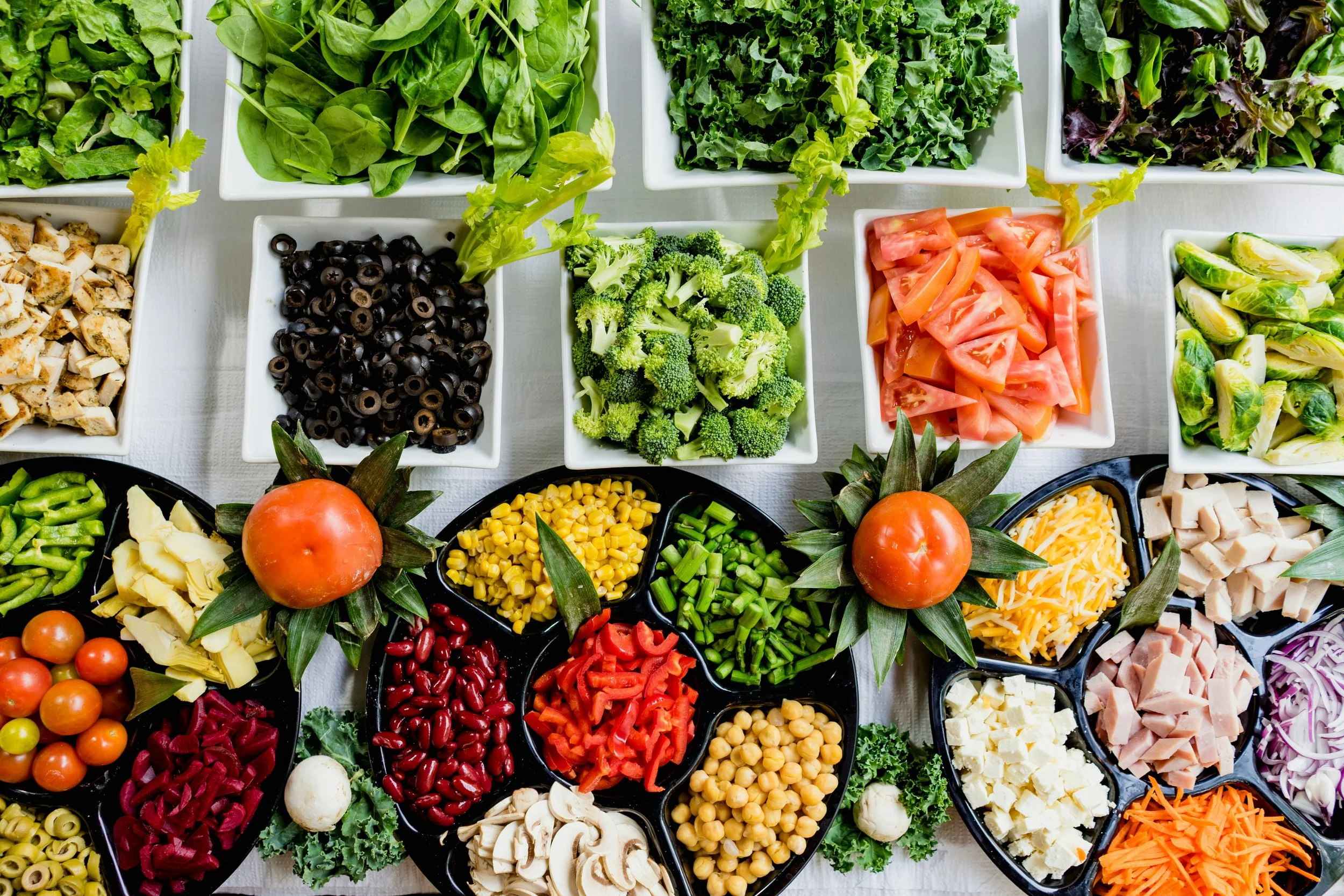
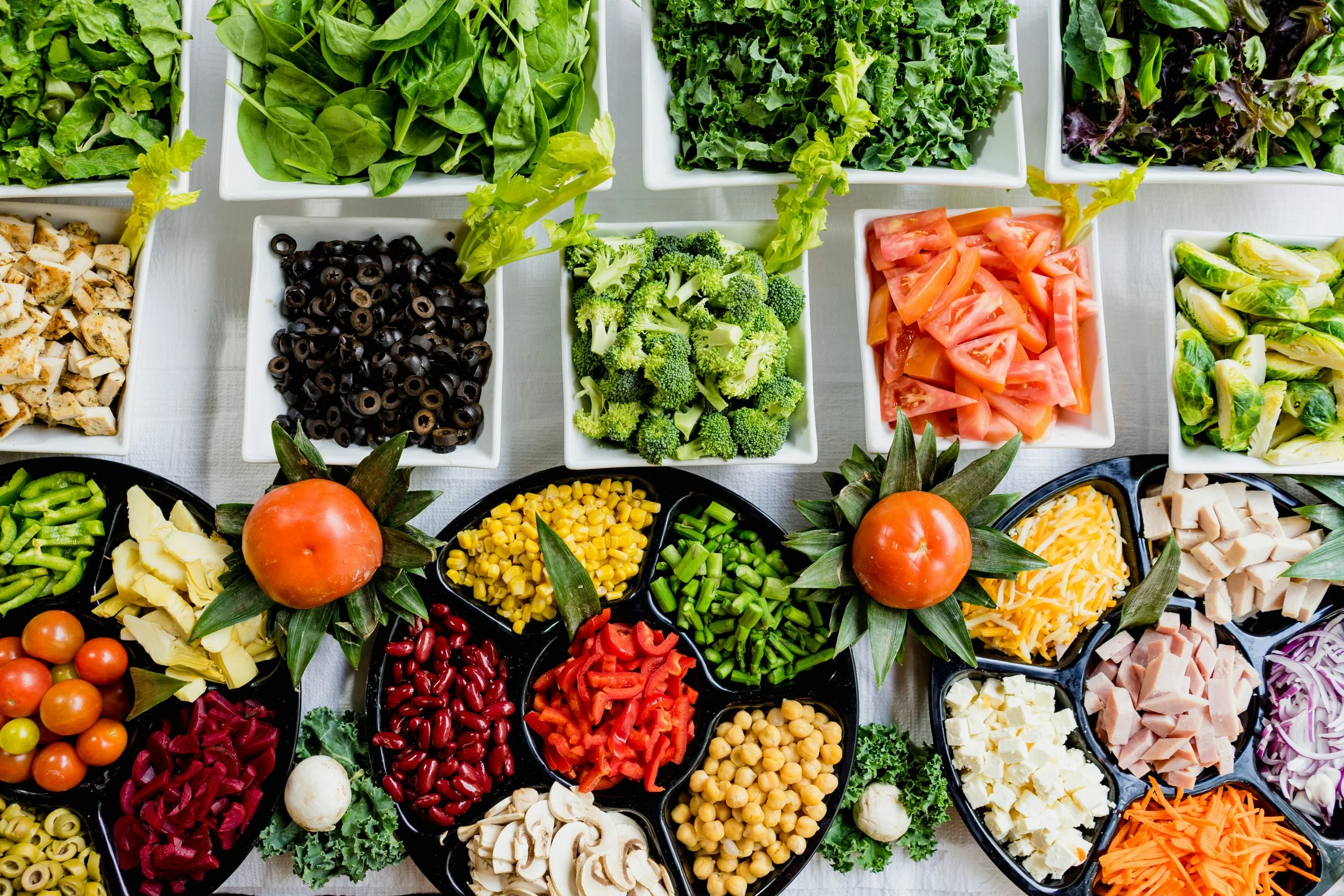
For years, dietary planning has been viewed as a logistical task. Collect the meal counts. Send the numbers to catering. Confirm vegetarian, vegan, and gluten-free options. Done.
But today's attendees expect more—and frankly, they deserve more.
Dietary planning isn't simply a food and beverage decision. It's a critical part of the attendee experience.
When done well, attendees feel welcomed, included, and cared for. When done poorly, they can feel excluded, frustrated, or even unsafe.
Food Is More Than a Meal
Think about the role food plays at events.
Breakfast conversations spark new ideas. Lunches create networking opportunities. Receptions build relationships. Some of the most valuable interactions happen around a table.
Now imagine arriving at an event and realizing there is little—or nothing—you can safely eat.
Suddenly, you're not just missing a meal. You're missing a key part of the experience.
For attendees with severe allergies, dietary restrictions, religious practices, or cultural food considerations, this happens more often than many planners realize.
Common Mistakes Event Planners Make
Most event professionals genuinely want to accommodate attendees. The challenge is that many organizations still rely on a limited view of dietary planning.
Some common mistakes include:
Assuming vegetarian or gluten-free options cover most needs
Overlooking religious dietary practices
Missing cultural food preferences and restrictions
Failing to account for cross-contamination concerns
Waiting until the last minute to address accommodations
Not properly educating catering staff on attendee needs
These oversights may seem minor, but they can significantly impact attendee satisfaction and trust.
Start Earlier Than You Think
One of the easiest ways to improve dietary planning is to start during registration.
Rather than providing a single "special meal request" field, consider collecting information in a more structured way.
Ask about:
Food allergies
Medical dietary restrictions
Religious dietary requirements
Cultural food considerations
Vegetarian and vegan preferences
Gluten and dairy sensitivities
The earlier you gather this information, the more options your venue and catering partners have to create meaningful solutions.
Partner With Your Venue
Your venue and catering team should be partners in creating an inclusive experience.
Ask detailed questions during menu planning:
How are allergens managed?
What procedures exist to prevent cross-contamination?
Can meals be individually prepared or labeled?
How will attendees identify safe meal options?
Are staff trained to answer dietary questions?
These conversations should happen months before attendees arrive—not during meal service.
Inclusion Happens in the Details
Event professionals often focus on creating memorable experiences through speakers, content, technology, and networking.
But sometimes inclusion is found in the smallest details.
A meal that respects someone's religious practices.
A clearly labeled allergen-free option.
A staff member who understands an attendee's dietary concern.
A menu that reflects the diversity of your audience.
Those moments communicate something important: "You belong here."
And that's ultimately what great event design is all about.