
Let’s be honest. FOMO isn’t just a buzzword in events. It’s a powerful psychological driver.
And when used intentionally, it can be the difference between an event people consider attending and one they refuse to miss.
But here’s the nuance most planners overlook: FOMO can build excitement… or erode trust.
The difference? How you use it.
What Is FOMO, Really?
FOMO, or the “fear of missing out,” is rooted in human behavior and social psychology.
At its core, it taps into three key drivers:
Belonging – We want to be where others are
Status – We want access to what feels exclusive
Opportunity – We don’t want to miss something valuable or once-in-a-lifetime
Events are the perfect environment for all three.
You’re bringing people together, curating experiences, and creating moments that (by design) don’t last forever. That’s FOMO fuel.
Why FOMO Works So Well for Events
Unlike other industries, events are:
Time-bound
Experience-driven
Social by nature
Which means once it’s over… it’s over.
That scarcity is powerful.
It’s why:
“Sold out” feels magnetic
Behind-the-scenes content drives engagement
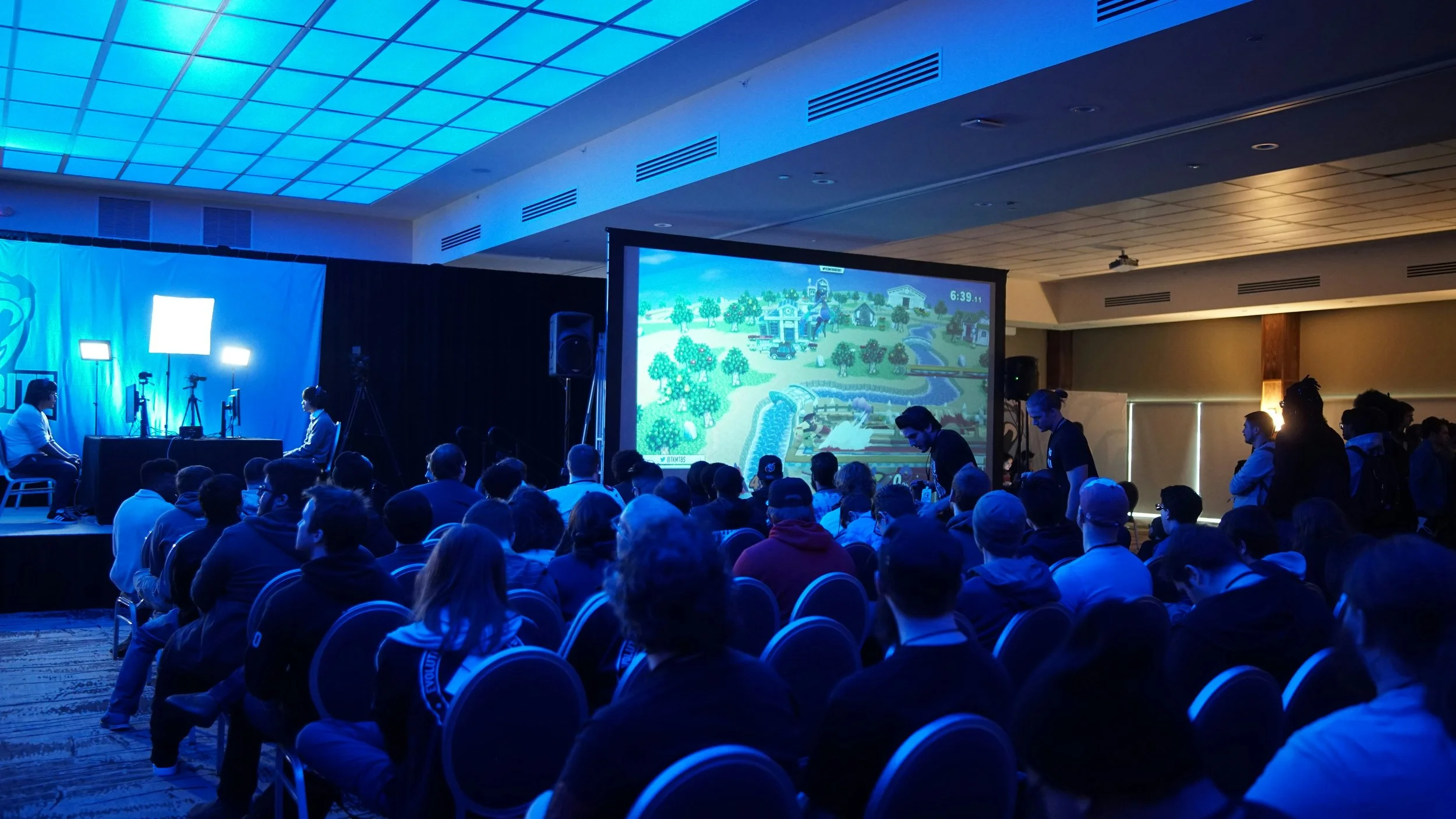
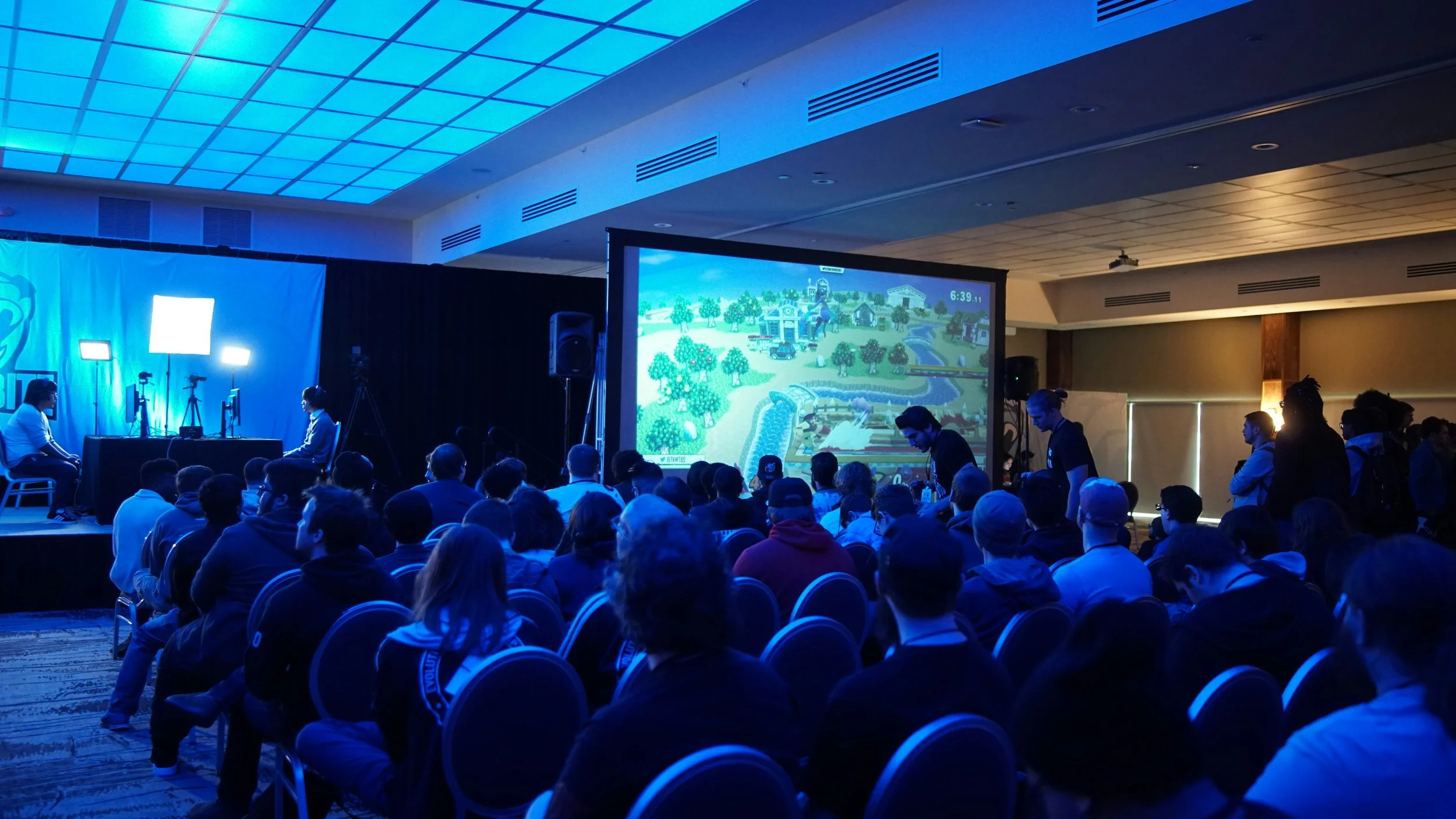
Recap videos make people say, “I need to be there next year”
FOMO works because it creates emotional urgency, not just logical reasoning.
And emotional decisions drive action.
Where FOMO Goes Wrong
Here’s where I’ll push back on our industry a bit…
Too many events rely on manufactured urgency instead of meaningful value.
You’ve seen it:
“Only 5 spots left” (when there aren’t)
Overpromising experiences that don’t deliver
Highlighting exclusivity in a way that alienates audiences
Short-term? You might get the registration.
Long-term? You lose credibility.
And in today’s event landscape, trust is everything.
How to Use FOMO Ethically (and Effectively)
If you want to leverage FOMO the right way, it starts with this principle:
👉 FOMO should reflect reality, not create illusion.
Here’s how to do that:
1. Highlight Real Moments, Not Hype
Capture and share:
Genuine attendee reactions
Unscripted networking moments
Behind-the-scenes access
Let people see what they missed, not just be told.
2. Design Experiences Worth Missing
Instead of asking, “How do we market this better?”
Ask, “Is this actually something people would regret missing?”
That’s where strategy comes in.
Think:
Unique session formats
High-value connections
Experiences they can’t get anywhere else
FOMO should be a byproduct of great design.
3. Use Scarcity Transparently
If you have:
Limited capacity
Tiered pricing deadlines
Exclusive add-ons
Be clear and honest about it.
Real scarcity builds trust. Fake scarcity breaks it.
4. Extend the Experience Thoughtfully
Here’s the balance:
You want people to feel like they missed something…
but not so much that they disengage completely.
Offer:
Post-event highlights
Key takeaways
Limited replay access
This keeps your audience connected while still reinforcing the value of being there live.
5. Make Inclusion Part of Your Strategy
Not everyone can attend every event.
Ethical FOMO considers:
Accessibility
Budget constraints
Time limitations
When you create pathways for different levels of engagement, you build long-term loyalty, not just one-time attendance.
The Bottom Line
FOMO is a tool.
A powerful one.
But the best events don’t rely on FOMO to drive attendance. They create experiences so strong that FOMO happens naturally.
As event leaders, our responsibility isn’t just to fill seats. It’s to build trust, deliver value, and create moments that truly matter.
Do that well… and your audience won’t just want to attend. They won’t want to miss it.