
In an industry that is constantly evolving, innovation can’t be accidental — it has to be intentional.
That’s where design thinking comes in.
Design thinking isn’t about flashy activations or the latest tech trend. It’s a human-centered approach to problem-solving that helps event professionals design experiences that are purposeful, inclusive, and results-driven. When applied correctly, it shifts events from being transactional gatherings to meaningful, outcome-focused experiences.
What Is Design Thinking?
At its core, design thinking is a framework used to understand people, challenge assumptions, redefine problems, and create innovative solutions through iteration and testing.
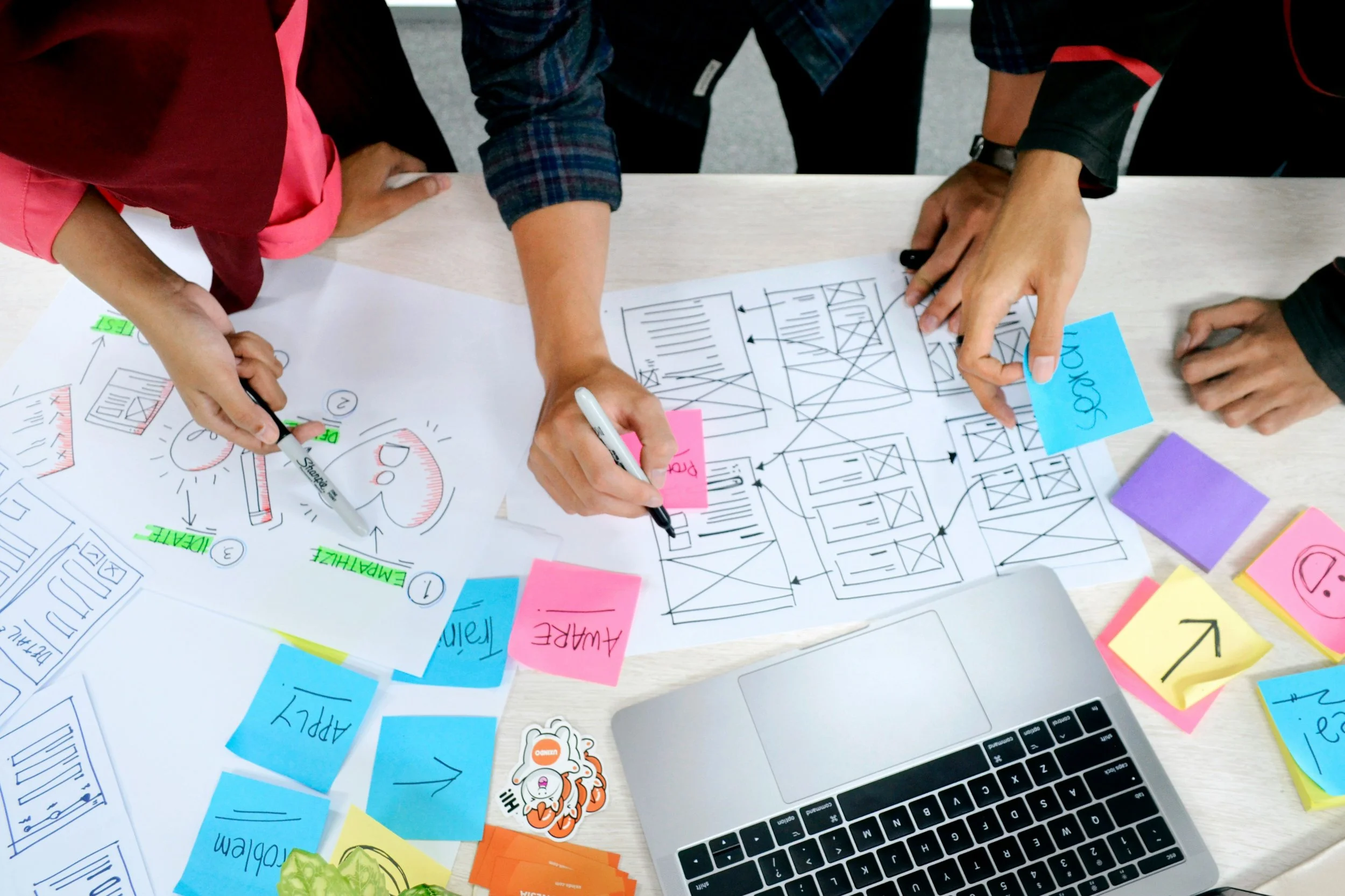
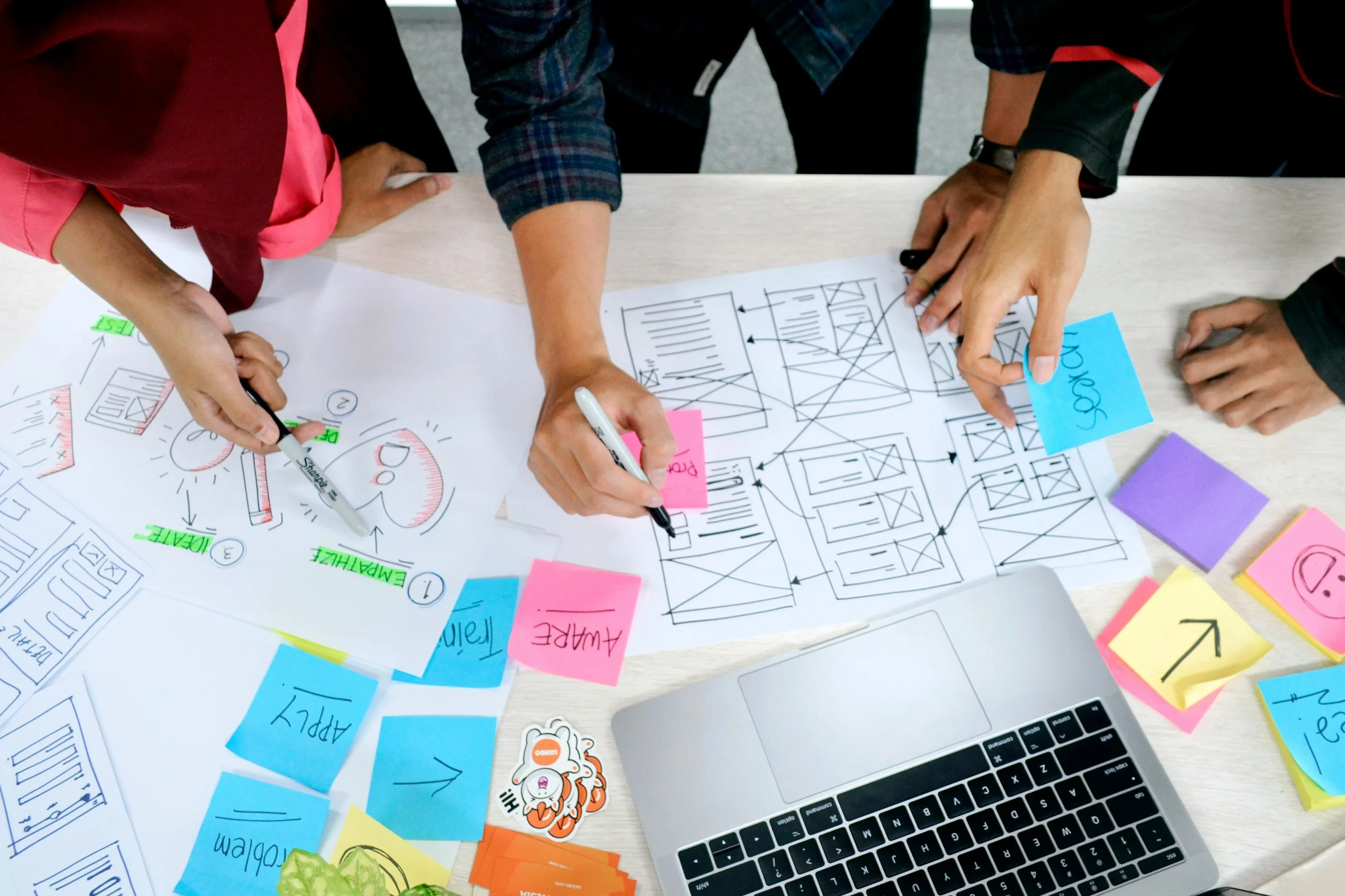
The traditional design thinking process includes five stages:
Empathize
Define
Ideate
Prototype
Test
When applied to events, this framework helps planners move beyond “how we’ve always done it” and instead ask, “What does our audience actually need?”
Step 1: Empathize — Start With the Attendee
Innovation begins with understanding.
Instead of planning around agendas, speakers, or sponsors first, design thinking asks event teams to deeply understand:
Who is attending — and why?
What challenges are they facing in their roles or industries?
What barriers might prevent them from fully engaging?
What does success look like from their perspective?
This may involve surveys, interviews, data analysis, or even informal conversations. The goal is to uncover real needs, not assumptions.
Event Innovation Insight:
If you don’t understand your audience’s pain points, you’re designing in the dark.
Step 2: Define — Clarify the Real Problem
Many events fail to innovate because they try to solve the wrong problem.
For example:
Is declining attendance really the issue — or is the content no longer relevant?
Is sponsor dissatisfaction about pricing — or about lack of meaningful engagement?
Is attendee fatigue due to scheduling — or cognitive overload?
Design thinking helps teams define the actual challenge instead of reacting to surface-level symptoms.
Event Innovation Insight:
A clearly defined problem leads to focused, strategic solutions — not band-aid fixes.
Step 3: Ideate — Expand the Possibilities
Once the problem is clearly defined, teams can brainstorm solutions without constraints.
This is where creativity meets strategy:
Rethinking session formats
Reimagining networking experiences
Redesigning sponsor integrations
Exploring new uses of space, time, or technology
The goal is quantity over perfection — generating ideas that can later be refined and tested.
Event Innovation Insight:
Innovation doesn’t require bigger budgets — it requires better thinking.
Step 4: Prototype — Test Before You Commit
Instead of rolling out major changes across an entire event, design thinking encourages small, low-risk experiments.
This might look like:
Piloting a new session format in one track
Testing a new networking concept during a single time block
Introducing a new sponsor activation on a limited scale
Prototyping allows teams to learn quickly, gather feedback, and make informed decisions before scaling.
Event Innovation Insight:
Testing early saves time, money, and credibility later.
Step 5: Test — Learn and Iterate
Innovation is not a one-and-done process.
Testing allows teams to evaluate:
What worked?
What didn’t?
What needs refinement?
This feedback loop ensures continuous improvement and prevents stagnation year over year.
Event Innovation Insight:
The most successful events evolve because they listen — and adapt.
Why Design Thinking Matters for Events Today
With rising costs, heightened expectations, and increased pressure to demonstrate ROI, event innovation can no longer be reactive.
Design thinking provides:
A structured approach to creativity
A shared language for stakeholders
A repeatable process for continuous improvement
Experiences that feel intentional, inclusive, and impactful
When events are designed with attendees — not just for them — engagement, satisfaction, and value naturally follow.
Final Thought
Innovation doesn’t start with technology.
It starts with empathy, intention, and strategy.
Design thinking gives event professionals the framework to move beyond execution and into experience design — where events don’t just happen, they matter.